
Why Many New Learner Drivers Panic During a Driving Test in South Africa
Getting a driver’s license is a major milestone for many young people in South Africa. It represents freedom, independence, and opportunity.
Motocury Admin
Writer
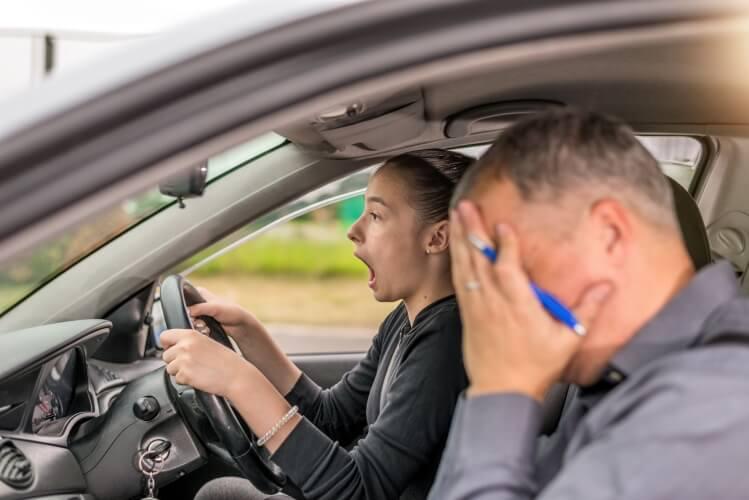
Getting a driver’s license is a major milestone for many young people in South Africa. It represents freedom, independence, and opportunity. But for many learner drivers, the final driving test becomes a moment of overwhelming anxiety rather than confidence. Instead of performing the skills they’ve learned, they panic, hesitate, or make avoidable mistakes.
Understanding why this happens is important—not to excuse poor preparation, but to highlight the real pressures learners face before and during the test.
1. Limited Driving Experience Behind the Wheel
One of the biggest reasons learners panic is simply lack of exposure. Many new drivers have only been behind the wheel for a few hours before attempting their test. In some cases, they have had very limited practice time due to financial constraints.
Unlike experienced drivers who develop instinctive reactions, learners are still thinking through every action:
“When do I change gears?”
“How hard do I press the clutch?”
“Am I in the correct lane?”
This constant mental processing slows reaction time and increases stress, especially under examination pressure.
2. Financial Constraints and Insufficient Practice
Driving lessons in South Africa can be expensive, which means many learners only manage a handful of sessions before booking their test. This leads to gaps in experience, especially with more difficult skills like:
Parallel parking
Hill starts
Three-point turns
Heavy traffic driving
Without enough repetition, these skills are not fully internalized, and learners rely on brain memory rather than muscle memory—making panic more likely under pressure.
3. Negative Mindset from Instructors or Word of Mouth
Some learners are introduced to the driving test with fear rather than confidence. This often comes from:
Instructors warning how “strict” examiners are
Stories from friends or family about people who failed
Impatient or harsh teaching methods during lessons
While instructors may intend to prepare learners for reality, the result is often anxiety before the test even begins. Instead of feeling prepared, learners expect to fail.
4. Test-Day Pressure and Unfamiliar Routes
During lessons, learners usually practice on familiar roads close to home or driving schools. On test day, however, they are taken into unfamiliar areas with different traffic patterns, intersections, and road conditions.
This unfamiliarity creates:
Confusion about routes
Slower decision-making
Increased nervousness at busy intersections
Even capable learners can feel disoriented when everything looks new.
5. Fear of Making Small Mistakes
Many learners believe that a single small error automatically means failure. While some mistakes are critical, this mindset leads to unnecessary pressure.
As a result, learners:
Overthink simple decisions
Hesitate at stop streets or robots
Lose confidence after minor mistakes
Instead of driving naturally, they try to “avoid mistakes at all costs,” which ironically leads to more errors.
6. Examiner Anxiety and Authority Pressure
The presence of the examiner alone can create psychological pressure. Learners often see them as strict judges rather than neutral observers.
Even neutral behavior—such as silence or note-taking—can be misinterpreted as disapproval. This increases nervousness and can disrupt concentration during critical moments of the test.
7. Language and Communication Barriers
In a diverse country like South Africa, not all learners are tested in their strongest language. Under stress, even simple instructions can become difficult to process.
Misunderstanding directions like “turn left at the next intersection” or “park behind the vehicle ahead” can quickly lead to mistakes that wouldn’t normally happen during practice.
8. Vehicle Unfamiliarity on Test Day
Another overlooked factor is switching vehicles. Some learners train in one car but take the test in another, which may have:
Different clutch sensitivity
Different braking response
Different visibility or mirror positions
Even small differences can throw off a nervous learner who is already under pressure.
9. Family and Social Pressure to Pass
For many learners, the test is not just personal—it carries expectations from family and friends. Some feel pressure to pass quickly for:
Work opportunities
Transport independence
Financial responsibilities
This external pressure can turn the test into a high-stakes event, increasing anxiety and fear of failure.
Finding Your Feet Before Test Day
The biggest challenges learner drivers face is a lack of consistent practice. Many learners don't have access to a family vehicle and can only drive during paid lessons, making it difficult to build confidence behind the wheel.
This is where Motocury is helping learners take control of their driving journey.
Through Motocury, learners can connect with driving instructors, compare options, and find training that fits their budget and location. Instead of relying solely on word-of-mouth recommendations or taking the first instructor they find, learners can make more informed choices about who teaches them.